
Bioinformatics in the Age of AI
Abstract
Podcast conversation with Kevin G. Libuit on Down To A Science (Episode 6) about what makes a good bioinformatician in the age of AI. Writing the code is no longer the hard part; framing the right biological question is. Topics include why AI answers confidently even when it is wrong, why foundations like the command line still matter, when to use an agent versus an established pipeline, keeping AI-assisted analysis reproducible as models change, turning AI-built scripts into tools for wet-lab scientists, teaching bioinformatics today without letting key skills atrophy, and where AI can and cannot change drug development.
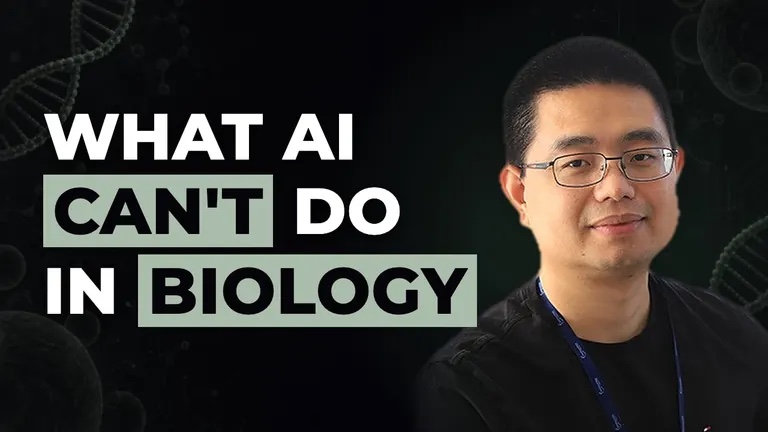
I joined Kevin G. Libuit on Down To A Science to talk about what makes a good bioinformatician in the age of AI.
Key points from the conversation:
- Writing the code is no longer the hard part. Framing the right biological question is.
- AI answers confidently even when it is wrong, so you need the domain knowledge to catch it.
- Foundations like the command line still matter, and they make AI coding agents more powerful.
- Use established pipelines for routine steps, and agents where judgment and flexibility are needed.
- Keep AI-assisted analysis reproducible: have the AI write scripts, then version-control them.
- Use AI as a tutor, not a shortcut, so key skills do not atrophy.
- AI on the drug development process is easier than AI on biology, and clinical trials may be the real bottleneck.
I wrote more about these ideas in Is Bioinformatics Doomed? The Future of Bioinformatics in the AI Era.